UPR pre-session of Lebanon: Elissa’s experience, from the field to the UN

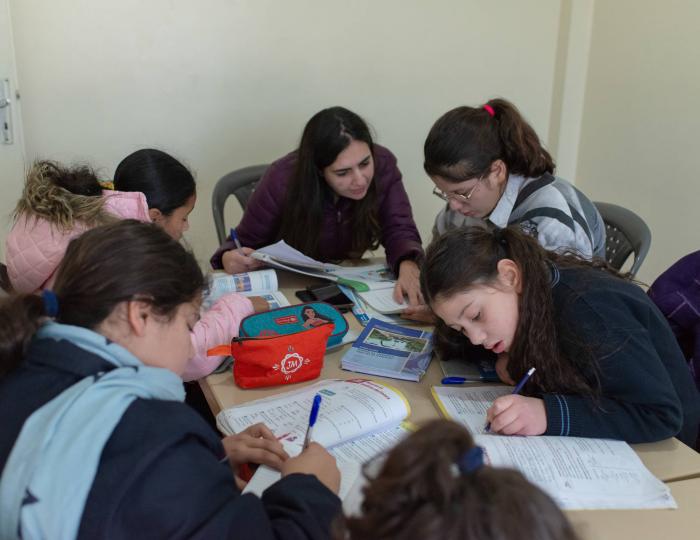
On the occasion of the Universal Periodic Review* (UPR) of Lebanon, we submitted to the United Nations, together with our Lebanese partners the Good Shepherd Sisters and Tahaddi, a joint report on children’s rights focusing on five key themes: education, health, mental health, violence against children and statelessness. It is based on interviews conducted with 74 children including refugee and stateless children, as well as parents and professionals. For several years, political and economic crises, compounded by conflict and the collapse of public services, have severely undermined the protection of children’s rights in Lebanon.
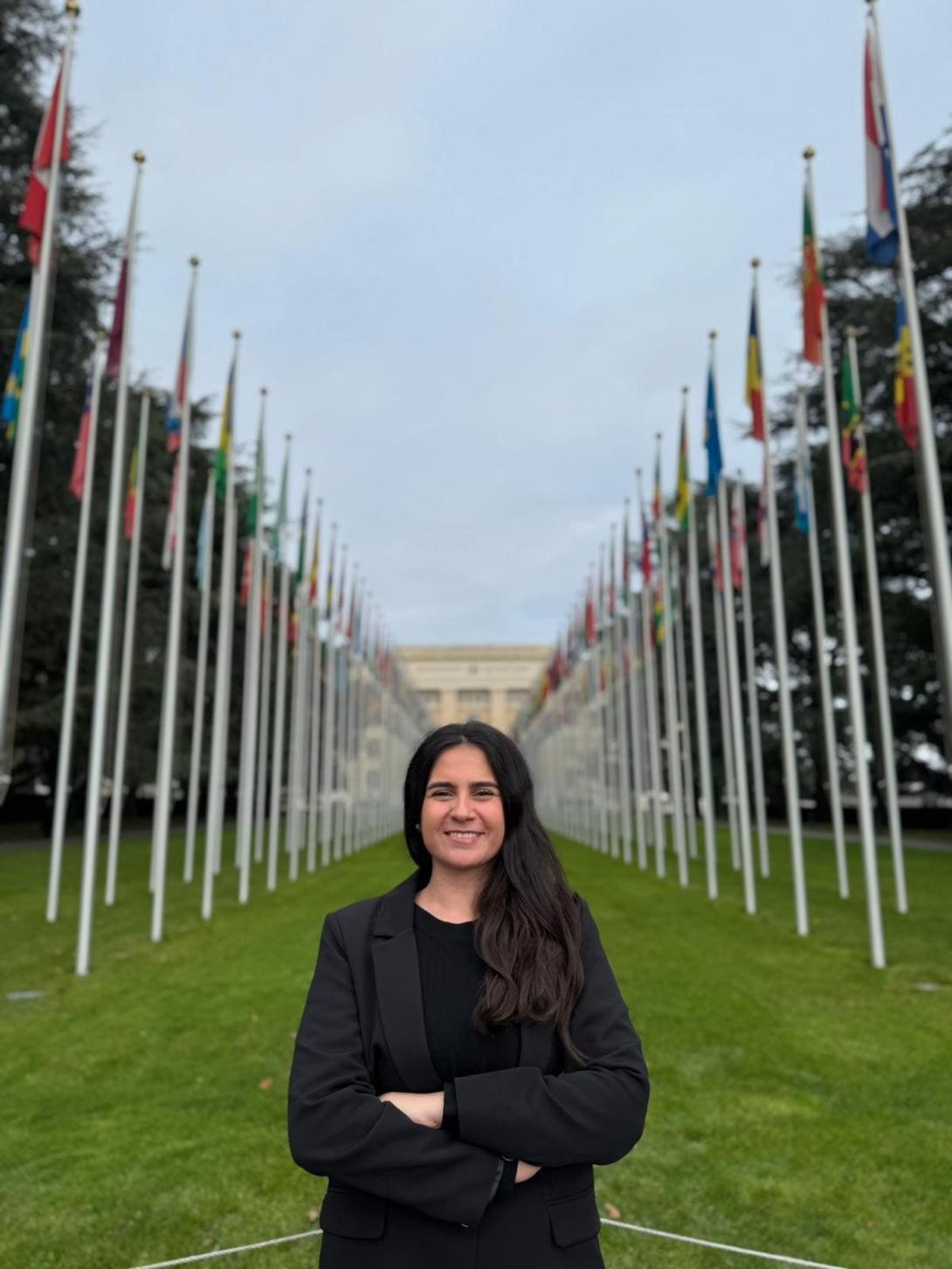
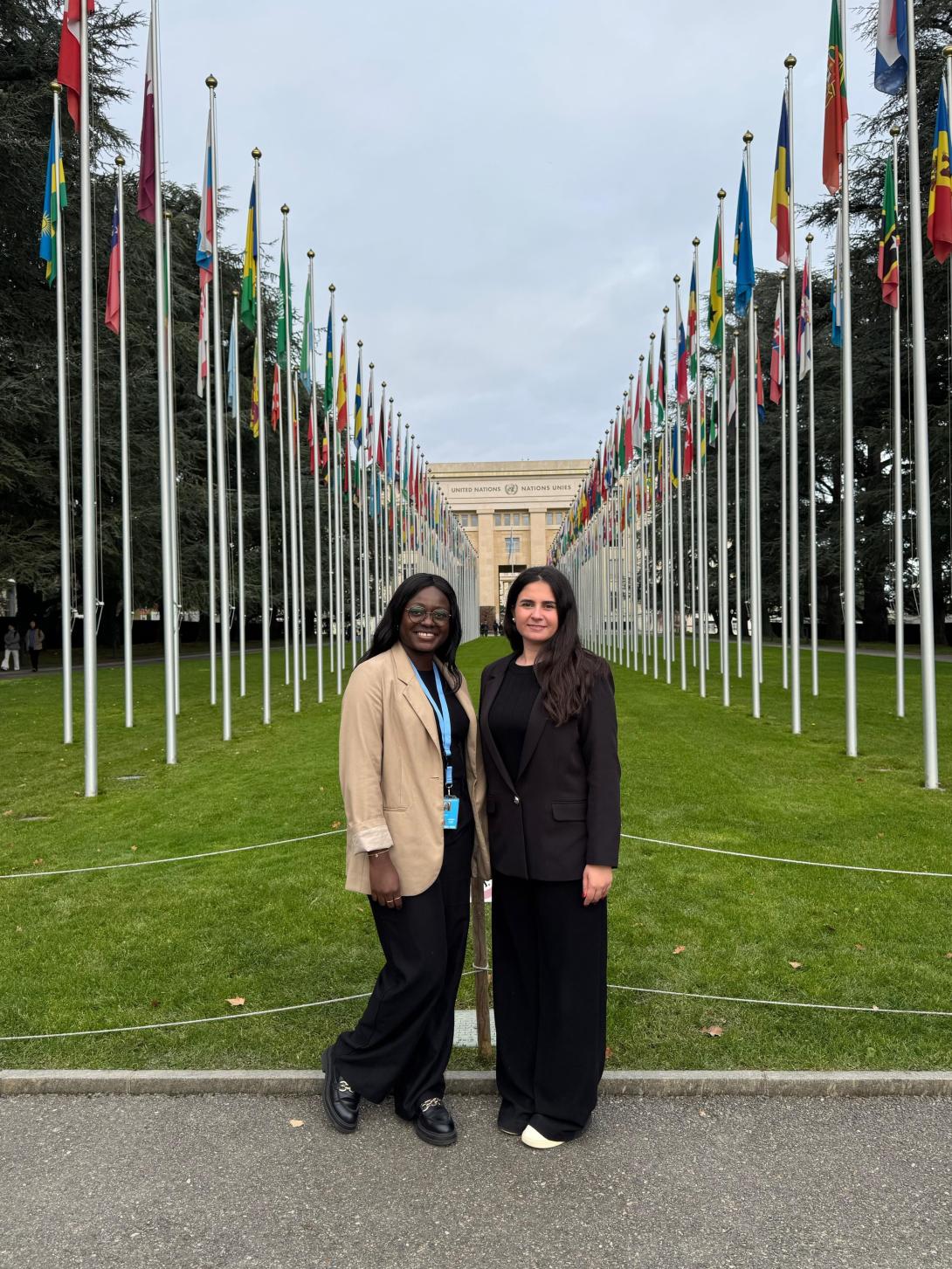
In November 2025, on the margins of the civil society UPR pre-session, we welcomed Elissa to Geneva, a young woman working for the Good Shepherd Sisters. Supported by the FAAI advocacy officer, she presented the findings and recommendations of the report to 11 Permanent Missions to the United Nations, shedding light on the realities faced by children in Lebanon.
As a young Lebanese woman who coordinated the field consultations with children and their families, Elissa carried their voices to diplomats with conviction and authenticity, reminding them of the importance of placing children at the heart of the UPR process and of all decisions that affect them.
At the Good Shepherd Sisters, my role mainly involves carrying out field visits and working closely with social workers and psychologists to assess children’s needs and better understand their daily realities. I see this work as a valuable opportunity to support vulnerable children who are living in extremely difficult conditions.
It was a unique opportunity to amplify the voices of children in Lebanon at the United Nations, to help them speak about their challenges and find solutions. As a young woman, I can truly relate to them, as I have personally faced some of these difficulties. The training and support provided by FAAI were extremely helpful throughout the entire process, especially as this was my first advocacy experience.
I tried to help them understand the realities faced by children in Lebanon. They urgently need support to break the cycle of poverty and marginalisation, and girls, in particular, are among the most vulnerable. It is essential to act now, and I hope that diplomats will take all the recommendations into account and encourage the Lebanese government to implement them.
During the consultations carried out for our UPR report, for many children it was the first time they truly felt heard. Children understand their own realities better than anyone. Advocacy must be built on their voices, as well as on those of the professionals who support them. This is the only way to truly understand their needs. The situation in Lebanon has long-lasting effects on children, and without support, they cannot rebuild their lives.
* UPR : This is a mechanism through which the UN Human Rights Council examines the human rights situation of each Member State. It is a peer-review process: States themselves make recommendations to the State under review in order to improve the implementation of human rights.
In January 2026, the Lebanese government was reviewed by other States during the 51st session of UPR. Out of the 304 recommendations issued, 78 related to children’s rights, including 60 directly linked to the priorities highlighted in our report.
These results reflect the impact of our advocacy carried out in close collaboration with our local partners. It is now up to the Lebanese State to turn these recommendations into concrete action. Their implementation is a crucial step towards strengthening the protection of children’s rights and enabling children in Lebanon to grow up in fair and safe conditions.