Publications and media

Annual Reports

Advocacy reports

A year of collective commitment across the world to support the most vulnerable children and young people. Working alongside our partners, we took action in 13 countries to protect, educate and support more than 13,000 children and young people, together with their families.
children hosted in care centres in the Democratic Republic of the Congo
children supported through day care services in Madagascar
girls supported in Lebanon

Children in street situations are children first and foremost, and they have rights. Yet, all too often, they remain deprived of protection and exposed to multiple forms of violence.
Poverty, family breakdown and inequalities shape their daily lives, placing them in situations of great vulnerability.
Our projects in Central Africa, Madagascar, Peru and Lebanon provide holistic support, guiding young people from life in street situations through to full reintegration. In doing so, they help prevent breakdowns, ensure safety and dignity, and enable young people to look ahead to a more stable future. Throughout 2025, a year marked by security crises, political instability and economic challenges, educational teams adapted to maintain their support for children and respond to their needs.
“If it were up to me, we would expand the centre and go out to bring other children in from the streets.” Allan, formerly in a street situation, supported by the PK24 centre
Since finishing my training at AJDM, I no longer have to rely on anyone. I can support myself, and I am proud of it.Oumou, a young mother supported by AJDM
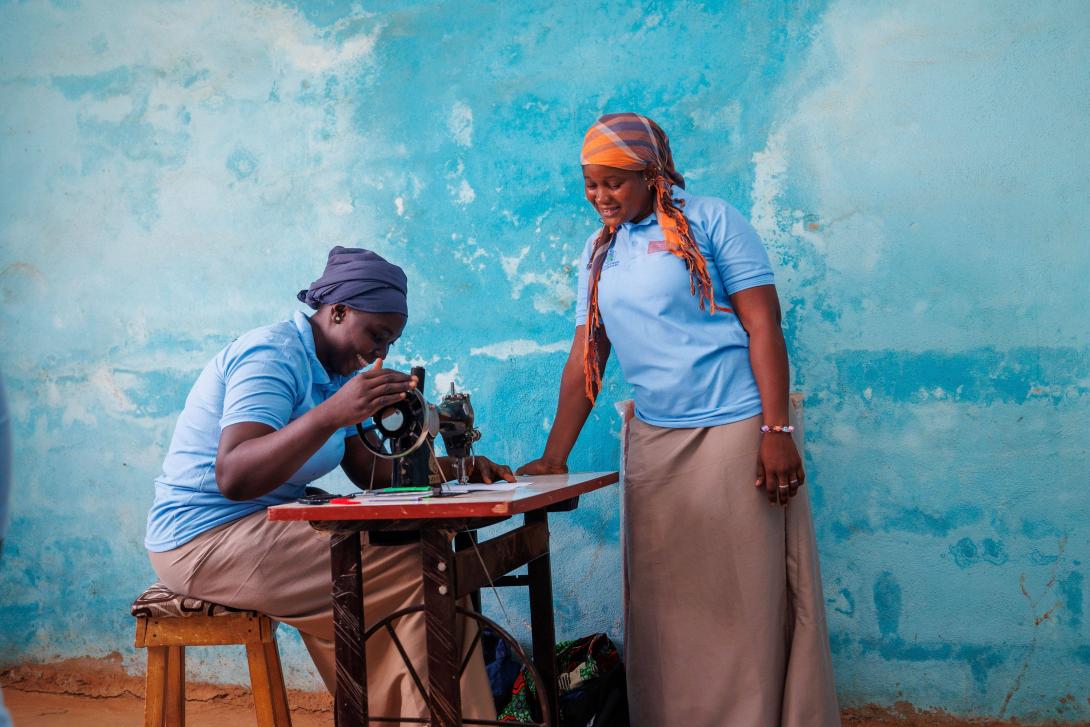
Discrimination, poverty and a lack of opportunity continue to hinder the future of many vulnerable young people.
To address this, we develop training and apprenticeship pathways in Switzerland, Cameroon, West Africa, Madagascar and Morocco. These programmes enable young people to gain vocational skills and essential life skills, helping them to secure lasting employment, whether by gaining a qualification or starting their own business.

The Birdhouse, a social and professional integration restaurant, has welcomed 15 early school leavers each year for the past six years. Throughout their training, apprentices prepare for a recognised Federal Diploma (AFP or CFC) in cooking or service. They are supported by their trainers through hands-on practice and mock exams reflecting real working conditions.
Young people receive tailored support that helps them rebuild their confidence, develop their skills and shape their professional future.
“This is what makes it so rewarding: having apprentices and the means to support them, to spend time with them and encourage them to open up.” Thomas, trainer at The Birdhouse
young people integrated into employment in Morocco
girls trained in sewing, hairdressing and beauty therapy in Cameroon
trainees completed immersive placements at The Birdhouse

The family is the primary space for a child’s protection and development. However, in many contexts, poverty, isolation and violence weaken family stability, making it more difficult for parents, particularly mothers, to provide a safe and nurturing environment. In 2025, we focused specifically on strengthening mothers’ ability to act, in order to support their autonomy and their role within the family.
Through the Houses of Families project in Cambodia, the Philippines and the Democratic Republic of the Congo, we support parents in their educational roles and guide them in order to prevent family breakdown.
“I learned so much at Imani. I learned gardening, I took literacy classes and French lessons. I now assist the teacher during lessons. I have my own business and set up a stall where I sell a variety of goods. It is going very well.” Jeanne, a mother at the House of Families
families supported towards greater stability
children reunited with their families in the Democratic Republic of the Congo
new families supported
Equality exists in the Declaration of Human Rights. So why do some have rights that others do not? We are all children; we all have the same rights.Young participants at the International Youth Gathering in Brazzaville, 2025
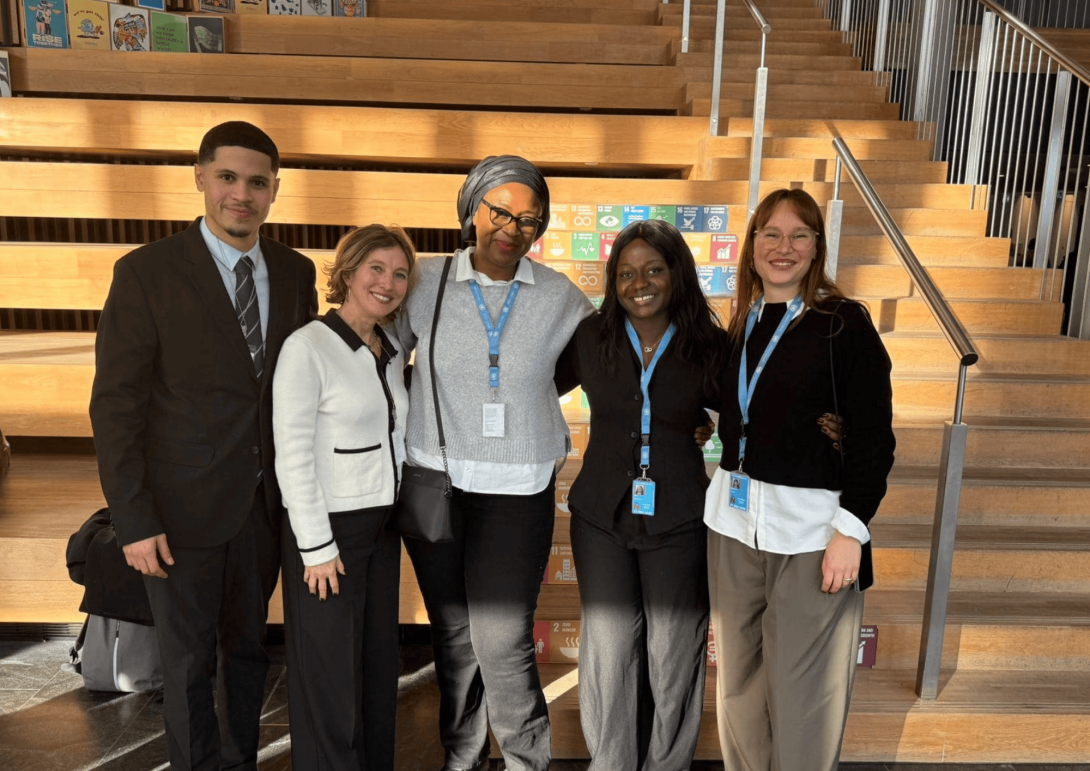
In 2025, we took a major step forward in raising the visibility of children in street situations. Our advocacy reached a key milestone with our first-ever event at the United Nations in Geneva, organised in partnership with the Special Rapporteur on the sale and sexual exploitation of children, Mama Fatima Singhateh.
As part of Lebanon’s Universal Periodic Review (UPR), we submitted a report on children’s rights, putting forward recommendations grounded in the realities children face.
This year, the active participation of children and young people in advocacy actions was strengthened, enabling them to make their voices heard and become agents of change for the recognition and respect of their rights.
children consulted for our report for the Lebanon UPR
diplomats attended our event at the United Nations
adults and young people trained in advocacy and children’s rights